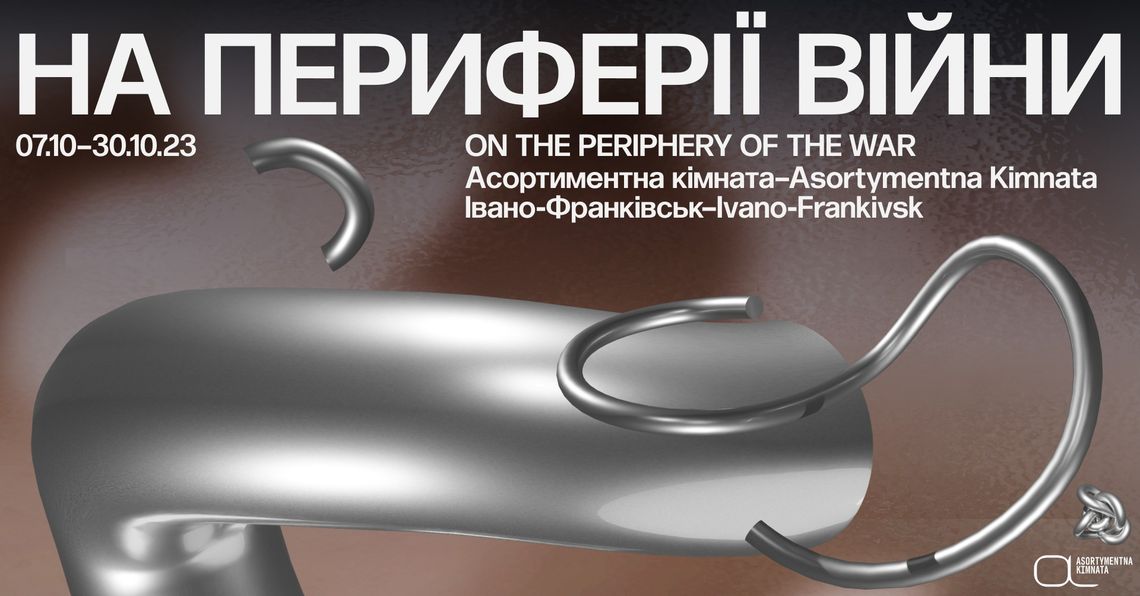
 Куратор(к)и: Альона Каравай, Ярема Малащук, Антон Усанов, Роман Хімей.
Асортиментна кімната, вул. Січових Стрільців, 15
7–30 жовтня 2023 року
7–30 жовтня 2023 року
Павел Альтхамер, Іван Базак, Богдан Бунчак, Орест Заборський, Шейла Камерич, Роксолана Кіт, Зоряна Козак, Крейзік, Володимир Кузнецов, Колектив мюзиклу, Дарина Мамайсур, Ярема Малащук і Роман Хімей, Хенріке Науманн, Валентина Петрова, Анна Потьомкіна, Андрій Рачинський, Данііл Ревковський, Марія Русінкевич, Олеся Саєнко, Вальдемар Татарчук, Анна Хвиль, Мирослав Яремак.
Текст організаторів:
Логіка війни не є сталою і зазнає змін. Ми можемо одночасно жити в закономірностях війни, жертвуючи та допомагаючи, та всупереч — дозволяючи собі насолоду та радість. Співіснування різних порядків породжує низку етичних дилем та особливо проявляється в тилу — нерідко через почуття провини. На периферії війни ми то вдавано наближуємось до нуля через волонтерство, самообмеження чи пошук внутрішнього ворога, то віддаляємось від екзистенційного досвіду через насолоду та сарказм.
З початком повномасштабного вторгнення повторився досвід атомізації суспільства та згортання просторів для комунікації.Чергове закриття та відновлення роботи закладів харчування та культурних просторів після пандемії надало їм сакральної ролі. Відвідування кав’ярні може стати ключем до стабілізації хаотичного зовнішнього світу та дією всупереч логіці війни. У тилу люди з докорами сумління, але й надією ходили в заклади, аби побачити та підтримати один одного. У прифронтових населених пунктах поодинокі заклади слугують точкою зустрічі військових, волонтерок та волонтерів, репортерок та репортерів тощо. Наприклад, сумнозвісне кафе «RIA» у Краматорську, після обстрілу якого загинули 13 людей разом із письменницею Вікторією Амеліною.
Країна перетворюється на мозаїку персональних досвідів війни, що закриті в собі та важко транслюються іншим. У різних місцях люди зіштовхуються з однаковими запитаннями, що були породжені війною та потребують індивідуальної відповіді тут і зараз. Тил, периферія війни — це і є місце, де визрівають нові етичні дилеми, але саме тут «несвоєчасні» запитання та відповіді блокуються почуттями провини та сорому. Те, що відхиляється від військової доцільності, ставиться на паузу або витісняється. Тотальна прагматизація та мілітаризація звертається до кожної та кожного з нас із запитанням «що ти робив під час війни?». Складається ситуація паритету між поставленим запитанням до себе самого чи самої та обережно відкладеної відповіді. Припускаємо, що для цих питань немає місця на фронті, де все має бути однозначним та безсумнівним.
Складні запитання вирішуються не відповідями, а прискоренням життя довкола. Близькість смерті примушують відчувати повноту життя як ніколи. Війна стала акселератором подій та відчуттів. Більш популярно це звучить як «не відкладати життя на потім» чи «даватися берега під час війни». Це стосується всіх проявів життя: волонтерити на сто відсотків, влаштовувати корупцію — на стільки ж, творити, сміятися, «відпочивати»… З периферії війни ми підглядаємо в різні напрямки в онлайн-трансляціях чи наживо, то в бік нуля, то в бік екзилю, але вони також не дають усіх відповідей.
З одного боку, насолода під час війни є одним із перших об’єктів самоцензури, з іншого — стратегією-збереження. Початок повномасштабного вторгнення вмить анулював чимало культурних стратегій та поставив під сумнів саму можливість художньої діяльності. Згодом з’явились інші підходи для естетизації нової реальності. Волонтерська діяльність оформлюється як мистецькі практики залучення, заготівля сухпайків для війська — як постіронічний коментар на агентність технологій у праці на перемогу, документування посиденьок у кафе — як сповідь та самокритика. Навіть відмовляючись від мистецької практики на користь війни, ми робимо це у формі, що дуже нагадує мистецький жест.
Периферія війни примушує до одночасності непоєднуваного, і цей танець веде не до екстазу, а до виснаження. Але мусимо танцювати далі.
—
Проєкт (виставка) відбувається у межах Київської бієнале 2023. Київська бієнале – це міжнародний форум мистецтва, знання та політики, що об’єднує виставки та дискусійні платформи. Бієнале застосовує міждисциплінарну перспективу на перетині гуманітарних наук, соціально-ангажованого мистецтва та політичного активізму, щоб осмислювати ключові проблеми сучасного світу. Бієнале організовує Центр візуальної культури.
Проєкт (виставка) відбувається у межах Київської бієнале 2023. Київська бієнале – це міжнародний форум мистецтва, знання та політики, що об’єднує виставки та дискусійні платформи. Бієнале застосовує міждисциплінарну перспективу на перетині гуманітарних наук, соціально-ангажованого мистецтва та політичного активізму, щоб осмислювати ключові проблеми сучасного світу. Бієнале організовує Центр візуальної культури.
Київська бієнале 2023 проходить у співпраці та за підтримки: Асортиментна кімната, резиденція «Вибачте, номерів немає», Департамент культури Відня, Інститут наук про людину (IWM), Міністерство культури та інформаційної політики України, Музейний кризовий центр, Музей сучасного мистецтва у Варшаві, Національний центр Олександра Довженка, Федеральне міністерство мистецтв, культури, громадської діяльності та спорту Австрії, Ars Electronica, ERSTE Foundation, Foundation for Arts Initiatives, Galeria Labirynt, Goethe-Institut, Lentos Kunstmuseum Linz, L’Internationale, M HKA (Музей сучасного мистецтва в Антверпені), MuseumsQuartier Wien, mumok, Museum moderner Kunst Stiftung Ludwig Wien, проєкт Other Edges (hablarenarte, KAIR, MeetFactory, Центр візуальної культури), Sigrid Rausing Trust, tranzit.at, tranzit.org (Братислава, Будапешт, Бухарест, Відень, Клуж, Прага, Ясси) та програма Європейського Союзу Creative Europe.
Фінансується з фондів ЄС. Висловлені погляди та думки належать виключно автору чи авторам і не обов’язково відображають погляди та думки Європейського Союзу чи Європейського виконавчого агентства з освіти та культури (EACEA). Ні Європейський Союз, ні EACEA не несуть за них відповідальності.
—
Ivano-Frankivsk, Ukraine: On the Periphery of War
Curators: Alona Karavai, Roman Khimei, Yarema Malashchuk, Anton Usanov
Asortymentna Kimnata, Sichovykh Striltsiv, 15
Runtime: October 7–30, 2023
—
Ivano-Frankivsk, Ukraine: On the Periphery of War
Curators: Alona Karavai, Roman Khimei, Yarema Malashchuk, Anton Usanov
Asortymentna Kimnata, Sichovykh Striltsiv, 15
Runtime: October 7–30, 2023
Pawel Althamer, Ivan Bazak, Bohdan Bunchak, Orest Zaborskyi, Šejla Kamerić, Roksolana Kit, Zoriana Kozak, Kreizik, Volodymyr Kuznetsov, Collective Kukhnia, Daryna Mamaisur, Yarema Malashchuk and Roman Khimei, Henrike Naumann, Valentyna Petrova, Anna Potiomkina, Andriy Rachinskiy, Daniil Revkovskiy, Mariia Rusinkevych, Olesia Saienko, Waldemar Tatarczuk, Anna Khvyl, Myroslav Yaremak.
The logic of war is unstable and subject to change. We can both live according to the laws of war by making sacrifices and providing help, as well as contrary to them by allowing ourselves pleasure and joy. The coexistence of different orders gives rise to a number of ethical dilemmas and is especially evident on the home front, often due to guilt. On the periphery of war, we either pretend to approach a zero point of the frontline through volunteering, self-restraint, and search for an internal enemy, or we move away from the existential experience through pleasure and sarcasm.
With the onset of the full-scale invasion, the experience of atomization of society and the curtailment of spaces for communication repeated. Yet another closure and reopening of food establishments and cultural spaces after the pandemic has given them a sacred role. A visit to a coffee house can be a key to stabilizing the chaotic outside world and an action opposing the logic of war. On the home front, people went to cafes with remorse, but hoped to see and support each other. In frontline settlements, a few establishments serve as a meeting point for soldiers, volunteers, reporters, etc. For example, the infamous RIA cafe in Kramatorsk where 13 people were killed by a Russian missile, including writer Victoria Amelina.
The country is turning into a mosaic of personal experiences of war that are closed in itself and difficult to transmit to others. In different places, people are faced with the same questions, generated by the war, that they need to answer individually here and now. The home front, the periphery of war, is the place where new ethical dilemmas emerge. Yet, it is also here that “untimely” questions and answers are blocked by feelings of guilt and shame. Anything that deviates from military expediency is put on hold or suppressed. Total pragmatization and militarization address each and every one of us with the question: “What did you do during the war?” A parity is emerging between the question posed to oneself and the carefully postponed answer. We assume there is no place for such questions at the front, where everything has to be unambiguous and unquestionable.
Complex questions are not solved by answers, but by accelerating life around us. The proximity of death makes us feel the wholeness of life like never before. The war has become an accelerator of events and feelings. In popular language we can express it as “not putting life on hold” or “breaking bad during the war.” It applies to all manifestations of life: volunteering hundred per cent, organizing corruption with the same capacity, creating, laughing, “resting,” etc. From the periphery of the war, we peek through online or live broadcasts in different directions – sometimes towards point zero, sometimes towards exile – but they do not provide all the answers either.
On the one hand, pleasure in times of war is one of the first things to be self-censored. On the other hand, it is a preservation strategy. The outbreak of a full-scale invasion instantly overruled many cultural strategies and called into question the very possibility of artistic activity. Subsequently, other approaches emerged to aestheticize the new reality. Volunteer work can be framed as artistic engagement practices, preparing meals for the army as a post-ironic commentary on the agency of technology in the work for victory, documenting gatherings in cafes as confession and self-critique. Even when we abandon artistic practice in favor of war, we do this in a form that closely resembles an artistic gesture. The periphery of war forces us to juxtapose the contradictory, and this dance does not lead to exaltation, but rather to exhaustion. Yet, we have to keep dancing.
—
The project (exhibition) is part of the Kyiv Biennial 2023. Kyiv Biennial is an international art, knowledge, and politics forum that integrates exhibitions and discussion platforms. It adopts an interdisciplinary perspective at the intersection of the humanities, socially engaged art, and political activism to reflect on the crucial issues of the contemporary world. The Biennial is organized by the Visual Culture Research Center.
—
The project (exhibition) is part of the Kyiv Biennial 2023. Kyiv Biennial is an international art, knowledge, and politics forum that integrates exhibitions and discussion platforms. It adopts an interdisciplinary perspective at the intersection of the humanities, socially engaged art, and political activism to reflect on the crucial issues of the contemporary world. The Biennial is organized by the Visual Culture Research Center.
Kyiv Biennial 2023 is held in partnership and with the support of Ars Electronica, Asortymentna Kimnata, Austrian Federal Ministry for Arts, Culture, Civil Service and Sport, Department for Cultural Affairs of the City of Vienna, Dovzhenko Centre, ERSTE Foundation, L’Internationale, Foundation for Arts Initiatives, Goethe-Institut, Galeria Labirynt, Institute for Human Sciences (IWM), Lentos Kunstmuseum Linz, M HKA (Museum of Contemporary Art Antwerp), Ministry of Culture and Information Policy of Ukraine, MuseumsQuartier Wien ( MQ), mumok, Museum moderner Kunst Stiftung Ludwig Wien, Museum Crisis Center, Museum of Modern Art in Warsaw, Other Edges project (hablarenarte, KAIR, MeetFactory, Visual Culture Research Center), Sigrid Rausing Trust, Sorry, No Rooms Available, springerin, Sturzenegger-Stiftung, TBA21, tranzit.at, tranzit.org (Bratislava, Budapest, Bucharest, Cluj, Iași, Prague, Vienna), and the Creative Europe programme of the European Union.
Funded by the European Union. Views and opinions expressed are however those of the author(s) only and do not necessarily reflect those of the European Union or the European Education and Culture Executive Agency (EACEA). Neither the European Union nor EACEA can be held responsible for them.
МІТЄЦ надає майданчик для вільного висловлювання, але залишає за собою право не поділяти погляди героїв порталу.
Матеріали за темою
-
ПОРТРЕТ НАТАЛИИ МАЦЕНКО
-
В ОЧІКУВАННІ ВИХОДУ ІІ
-
ОЛЕКСІЙ БОРИСОВ
-

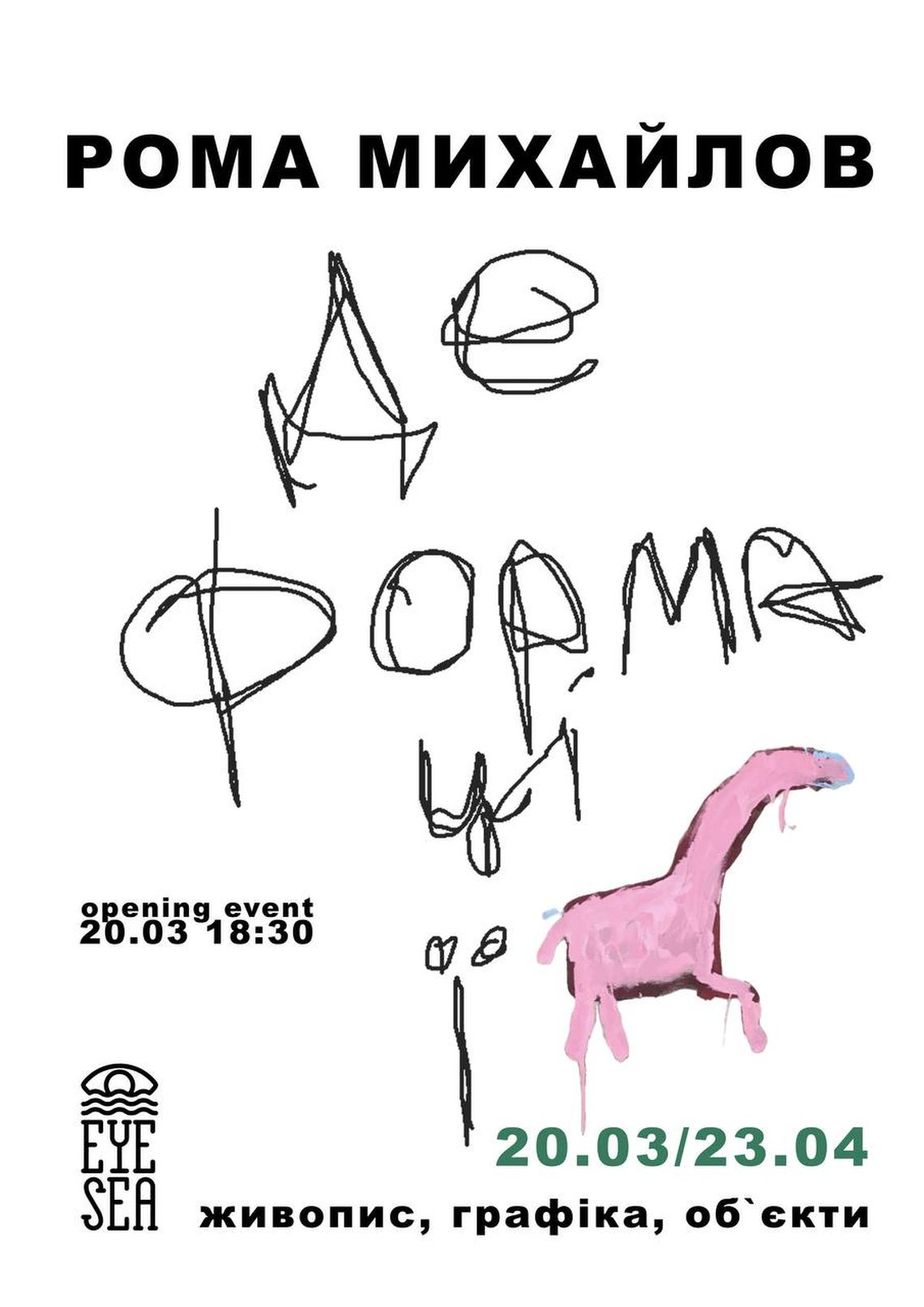
Рома Михайлов «Деформації»
-
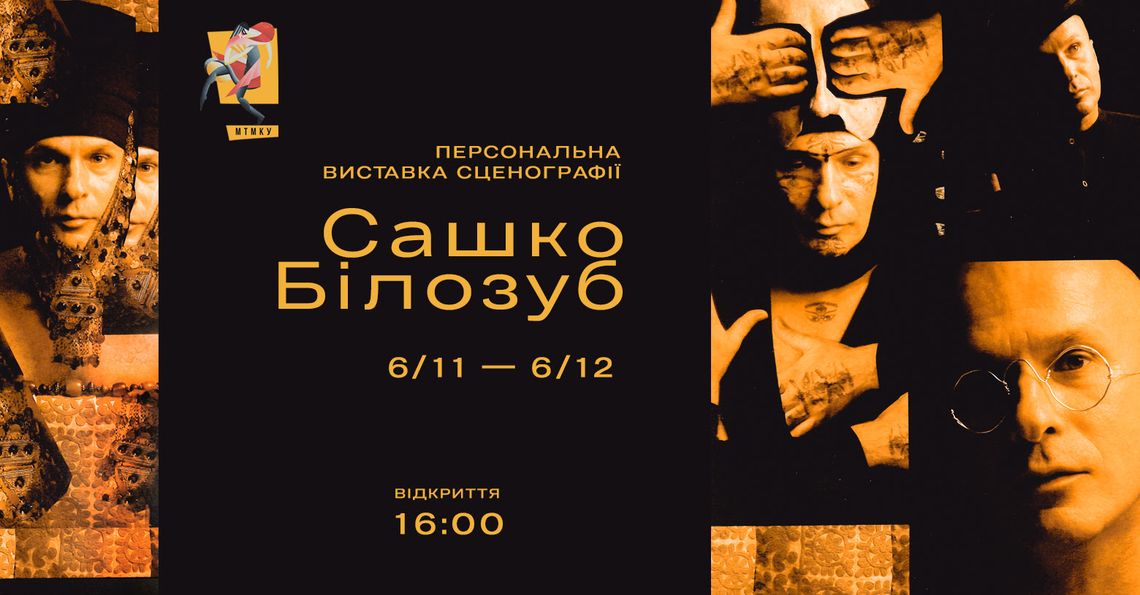
Виставка сценографії Сашка Білозуба
-
ГРАФІКА РІЗНИХ РОКІВ. БОГДАН ПІКУЛИЦЬКИЙ
-
“Артсвіт дітям”. Open call
-
ТРИНИТИ
-
Андрій Сагайдаковський в Мистецькому Арсеналі
-
В ГОСТЯХ У ТІБЕРІЯ СІЛЬВАШІ
-
ТАЄМНІ ПРОЦЕСІЇ РЕЧЕЙ
-
ТРАНСКРИПТ
-
ПРО ВІНІЛОВУ ФАБРИКУ, THE BEATLES І СЕРІЇ БАНЕРІВ
-
ARTIST BOOK ИРЫ ОЗАРИНСКОЙ
-
ПРОЄКТ, ЩО НЕ ХОТІВ ПОКАЗУВАТИ ЗАКЕНТІЙ
-
Новий тираж автобіграфії Марини Абрамович
-
ПОВТОРЕНИЕ ЗАБЫВАНИЯ
-
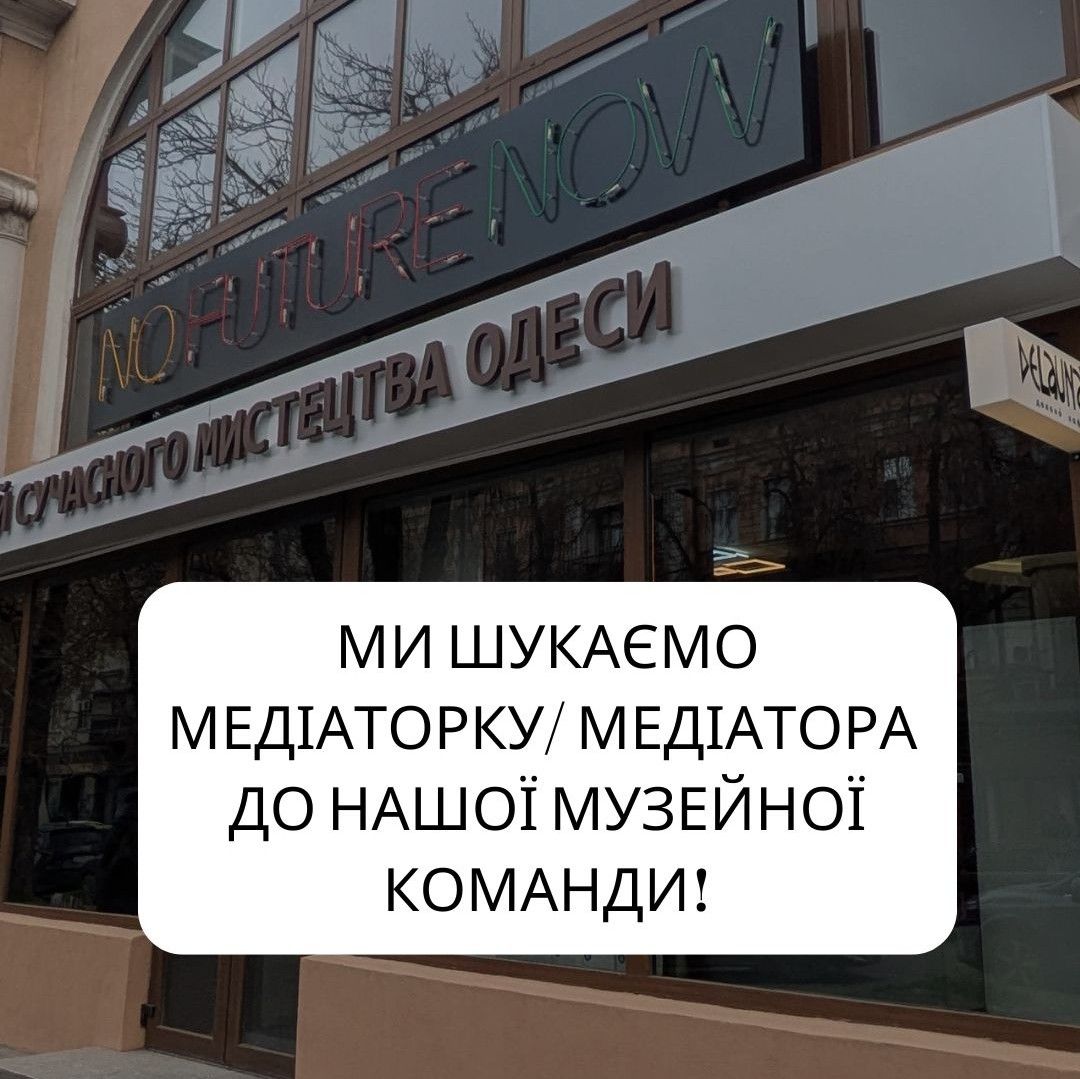
Шукаємо медіаторку або медіатора в музей сучасного мистецтва Одеси
-
ХАЛТУРА
-
Довженко-Центр розпочинає лекторій “Як перестати хвилюватися і полюбити українське кіно”
-
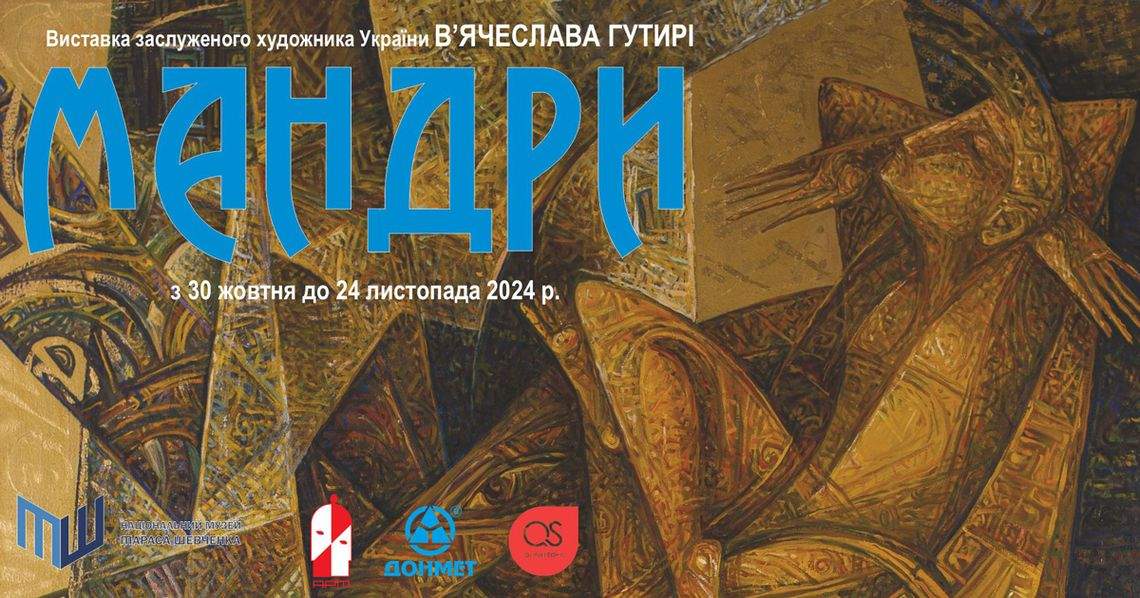
«Мандри» В’ячеслава Гутирі